
Thromboembolism
Thromboembolism occurs when a blood clot blocks a vessel where it formed or travels to another site. Venous thromboembolism includes deep-vein thrombosis (DVT) and pulmonary embolism (PE), but arterial clots are a different problem.

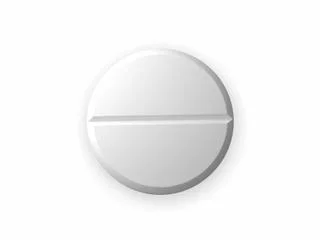
Warfarin Tablets
1 · 2 · 5mg
Warfarin 1mg, 2mg and 5mg tablets, used in the management of atrial fibrillation, thromboembolism and deep vein thrombosis. A vitamin K antagonist.
Key points
- One-sided leg swelling or pain can indicate DVT; sudden breathlessness, chest pain, coughing blood or collapse can indicate PE.
- Symptoms and risk factors estimate probability, while ultrasound or lung imaging confirms the clot in most cases.
- Anticoagulants reduce clot extension and recurrence but can cause major bleeding; selection and duration depend on cause and patient factors.
Catalogue matches do not diagnose a clot or indicate a safe anticoagulant and dose.
Why do clots form?
Immobility, surgery, cancer, pregnancy, oestrogen exposure, previous clots and inherited conditions can contribute. Some events have no clear trigger. Cause and persistent risk influence how long recurrence prevention is considered.
How does anticoagulant choice vary?
Warfarin has important roles but requires INR monitoring and careful management of interactions. Other anticoagulants differ in kidney clearance, evidence for cancer or pregnancy, and reversal. See heart and blood pressure for related entries.
When to seek urgent care
Call emergency services for sudden breathlessness, chest pain, coughing blood, fainting or a painful swollen leg with breathing symptoms. Heavy bleeding or head injury while anticoagulated also needs urgent care.