
Angina Pectoris
Angina pectoris is pressure, tightness or discomfort caused when heart muscle temporarily receives too little oxygen-rich blood.

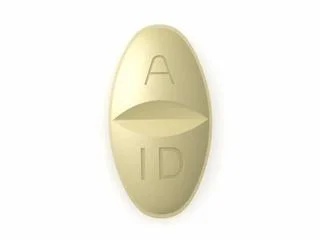
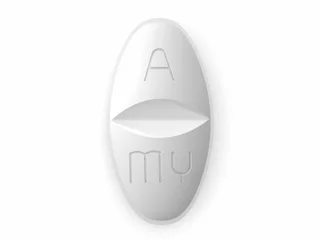

Inderal LA
40mg
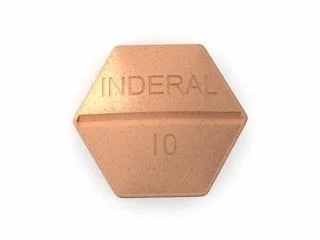
Inderal LA is propranolol 40mg in a modified-release capsule for hypertension, angina, migraine prophylaxis and essential tremor. Both beta-1 and beta-2.
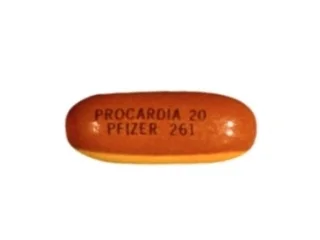
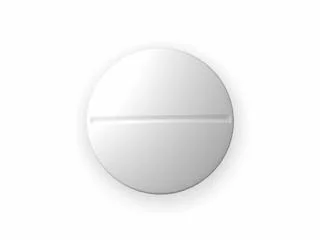

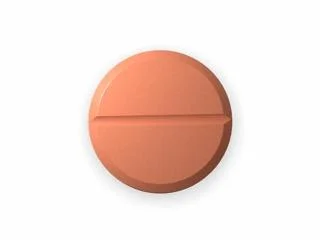
Procoralan
5mg
Ivabradine 5mg film-coated tablets, used in the management of stable angina pectoris. It slows the heart by inhibiting the If current alone.

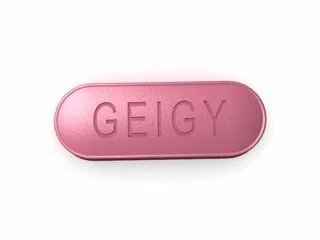


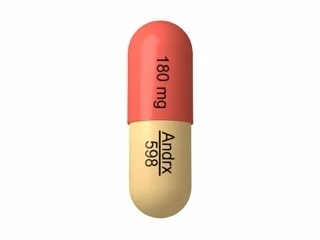

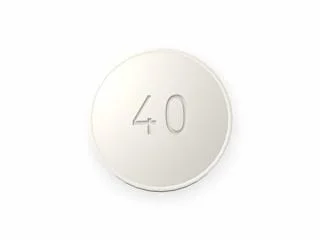
Isoptin SR
120 · 240mg
Isoptin SR is verapamil 120mg and 240mg in a modified-release tablet for hypertension, angina and arrhythmia, blocking calcium influx across the day.

Key points
- Stable angina is usually triggered predictably by exertion or stress and eases with rest or prescribed short-acting nitrate.
- New pain, episodes at rest, increasing frequency or reduced response to usual treatment may indicate acute coronary syndrome.
- Long-term care addresses both symptoms and the underlying risk of heart attack and stroke.
The listings below are not appropriate for undiagnosed chest pain; medicine selection depends on cardiovascular assessment and interactions.
Establishing the cause
Clinicians consider symptom pattern, ECG findings and cardiovascular risk, then may use exercise testing or coronary imaging. Reflux, chest-wall pain and lung disease can resemble angina, but potentially cardiac pain should be assessed before assuming a benign cause.
Treatment roles
Short-acting nitrate can relieve an episode when prescribed. Beta blockers, calcium-channel blockers or longer-acting nitrates may reduce attacks, while antiplatelet and cholesterol-lowering treatment can reduce vascular risk in appropriate patients. Nitrates can dangerously interact with erectile-dysfunction medicines.
When to seek urgent care
Call emergency services for new or severe chest pressure, pain at rest lasting more than a few minutes, fainting, marked breathlessness, sweating, nausea or pain spreading to the arm, jaw or back.
Further reading
What is angina pectoris?
Angina pectoris is pressure, tightness or discomfort caused when heart muscle temporarily receives too little oxygen-rich blood.
What causes angina?
Stable angina is usually triggered by exertion or stress, when the heart muscle needs more oxygen-rich blood than it gets. It eases with rest or a short-acting nitrate.
When should I seek urgent care for angina?
Call emergency services for new or severe chest pressure, pain at rest lasting more than a few minutes, fainting, marked breathlessness, sweating, nausea or pain spreading to the arm, jaw or back.
What can I order for angina pectoris?
SGMeds lists products containing verapamil, metoprolol and isosorbide mononitrate for angina pectoris, for example Imdur (isosorbide mononitrate) and Monoket (isosorbide mononitrate). Each product page gives the strengths and forms.
Can angina medicines interact with other medicines?
Nitrates can dangerously interact with erectile-dysfunction medicines. Ask a doctor or pharmacist about your other medicines.
Can I buy medicines for angina pectoris over the counter in Singapore?
Yes, online. SGMeds does not ask for a prescription to order medicines for angina pectoris: we place the order with our pharmacy partner, which prepares it and arranges delivery on your behalf.
Ordering without a prescription →Can I order medicines for angina pectoris online in Singapore?
Yes, here on SGMeds: choose the product, strength and pack, then check out. Parcels go to Singapore and Malaysia by Express shipping (tracked, up to 1 week) or Regular shipping (up to 3 weeks).
How ordering works →