
Rosacea
Rosacea is a chronic inflammatory condition of central facial skin that can cause flushing, persistent redness, visible vessels and acne-like bumps. Some people also develop eye or eyelid symptoms.
Key points
- Rosacea usually affects the cheeks, nose, chin or forehead; comedones favour acne, while scale may suggest dermatitis.
- Sun, heat, alcohol, spicy food, exercise and irritating products can trigger individual flares, but universal avoidance lists are rarely useful.
- Treatment targets the dominant feature; a product for bumps may not control vessels or eye disease.
Catalogue matches do not confirm rosacea or show that a topical medicine is suitable for a particular facial rash.
How can rosacea be recognised?
The pattern and recurrence help distinguish rosacea from acne, lupus, contact reactions and steroid-related facial eruptions. Eye grittiness, lid inflammation or light sensitivity should be mentioned because ocular rosacea needs separate assessment.
What helps control flares?
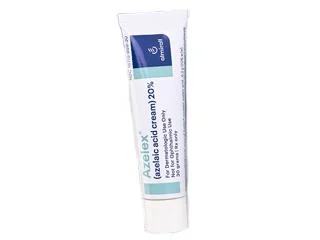
Gentle skin care and daily broad-spectrum sun protection reduce avoidable irritation. Azelaic acid may help inflammatory bumps and some redness but can sting. Treatment may need adjustment by symptom type and response; see skin care.
When to seek urgent care
Seek prompt eye assessment for eye pain, marked light sensitivity, reduced vision or a very red eye. Facial swelling with breathing difficulty or a blistering reaction needs emergency care.
Further reading
Related articles

22 Sept 2026 ⋅ 7
Rosacea Gels Treat Different Features: What Actually Differs
Compare metronidazole, azelaic acid, ivermectin and redness-directed rosacea treatments by the feature they target rather than texture alone.
Read guide