
Muscle Spasm
A muscle spasm is a sudden involuntary contraction that makes a muscle tighten and become painful. Many episodes are brief, but recurrent or persistent spasms can reflect injury, nerve irritation, medicine effects or a metabolic problem.


Key points
- Overuse and muscle strain are common, but weakness, sensory loss or repeated unexplained spasms need assessment.
- Hydration helps when fluid loss is relevant; excessive water or supplements are not universal treatment.
- Centrally acting muscle relaxants can cause sedation and do not correct the underlying cause.
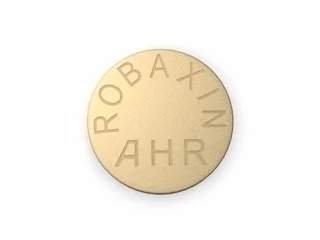
A muscle-relaxant listing cannot identify why a muscle is contracting; examination, injury history, medicines and neurological findings guide care.
What can trigger a spasm?
Overexertion, prolonged positioning and local injury can provoke spasms. Nerve compression, electrolyte disturbance and some medicines are other possibilities. The pattern, associated pain and neurological examination help decide whether tests are needed.
What can treatment involve?
Gentle movement, heat and treatment of a strain may help uncomplicated episodes. Methocarbamol, metaxalone or cyclobenzaprine may be considered briefly in selected cases, but driving, alcohol and sedating combinations are concerns. See pain management for class context.
When to seek urgent care
Seek emergency care for spasms with new weakness, loss of sensation, bladder or bowel loss, breathing or swallowing difficulty, seizure, severe injury, dark urine after intense exertion, or fever with a rigid neck.