
Local Anaesthesia
Local anaesthesia is temporary loss of sensation in a limited body area caused by medicine that blocks nerve sodium channels.
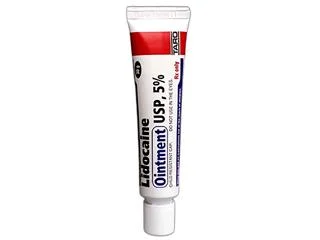
Key points
- Topical application, local infiltration and nerve blocks deliver medicine differently and require different skill and dosing.
- Maximum safe dose depends on agent, concentration, injection site, body size and whether adrenaline is included.
- Accidental intravascular injection or excessive absorption can cause seizures and dangerous heart-rhythm effects.
The listings below are not for unsupervised injection; a trained clinician should select, calculate and monitor local anaesthesia.
Choosing an agent and technique
Lidocaine acts relatively quickly, while bupivacaine lasts longer and has greater cardiac toxicity if systemic. Adrenaline can prolong action and reduce absorption in suitable sites but is not appropriate in every vascular situation. Allergy to amide local anaesthetics is uncommon and should be distinguished from fainting or adrenaline effects.
Procedure safety
Clinicians aspirate and inject incrementally where appropriate, monitor response and keep resuscitation resources for higher-risk blocks. Numb tissue must be protected from biting, heat and injury until sensation returns. Persistent motor loss or severe pain after a block needs review.
When to seek urgent care
Seek emergency care for ringing ears, metallic taste, severe dizziness, seizure, collapse, chest symptoms, an abnormal rhythm, breathing difficulty or rapidly spreading swelling after local anaesthetic.