
Keratitis
Keratitis is inflammation of the clear cornea caused by infection, trauma, exposure, severe dryness or immune disease.
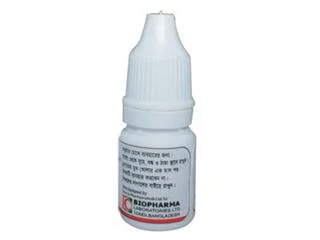
Key points
- Pain, light sensitivity, tearing and reduced vision distinguish keratitis from most uncomplicated conjunctivitis.
- Contact lenses, corneal injury and corticosteroid eye drops increase concern for rapidly progressive infection.
- Bacterial, viral, fungal and acanthamoeba keratitis require different treatments, so empirical steroid can be dangerous.
The listings below do not identify the cause; keratitis requires urgent slit-lamp examination and often corneal sampling.
Finding the cause and depth
Fluorescein staining reveals epithelial defects, while slit-lamp examination assesses infiltrate, ulcer and anterior-chamber inflammation. Corneal scraping for microscopy, culture or PCR is used for larger, central or atypical ulcers. Lens hygiene and water exposure provide important clues.
Treatment priorities
Frequent topical antimicrobial treatment may be needed before results return, then narrowed to the organism. Herpes keratitis uses antiviral rather than routine antibacterial treatment. Steroids have selected specialist-supervised roles only after infection type and response are understood.
When to seek urgent care
Arrange same-day emergency eye assessment for eye pain, light sensitivity, reduced vision, a white corneal spot, injury, chemical exposure or any painful red eye after contact-lens use.