
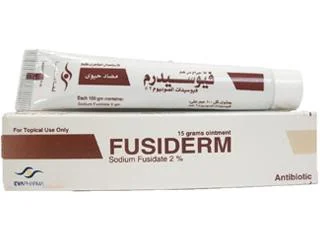
Betamethasone and Fusidic Acid Cream
2/0.12%
Betamethasone with fusidic acid as a 2/0.12% cream for eczema and infected dermatitis. A potent corticosteroid alongside an antibacterial.
From$21.46/ tubeView
Dermatitis can develop a secondary bacterial infection when the skin barrier is broken. New weeping, crusting, pain or rapid worsening can be clues, but not every wet eczema flare needs an antibiotic.
2/0.12%
Betamethasone with fusidic acid as a 2/0.12% cream for eczema and infected dermatitis. A potent corticosteroid alongside an antibacterial.
An antibiotic or steroid combination listing cannot confirm infection; severity, extent, recurrence and signs of systemic illness guide treatment.
Dermatitis itself can be red, cracked and weeping. Increasing pain, warmth, purulent discharge, pustules, rapid extension or fever makes bacterial infection more likely. Blistering or punched-out painful erosions can indicate eczema herpeticum, which needs urgent antiviral assessment.
Limited local infection may sometimes use fusidic acid with an appropriate anti-inflammatory such as betamethasone. Widespread or systemic infection may need oral treatment. Emollients and trigger control remain important; see skin care for class context.
Seek same-day care for fever, rapidly spreading redness, severe pain, facial or eye involvement, red streaks, marked illness, or grouped blisters and punched-out sores. Reduced immunity warrants earlier review.