
Hypoestrogenism
Hypoestrogenism means oestrogen activity is lower than expected for a person’s age and situation. Menopause is a common context, but ovarian insufficiency, surgery, cancer treatment and hypothalamic or pituitary disorders can also cause it.
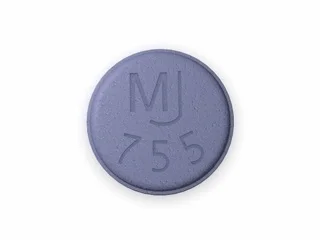
Key points
- Hot flushes and vaginal dryness can occur, while prolonged low oestrogen may affect bone density.
- Loss of periods in a younger person needs assessment of pregnancy, nutrition, exercise, medicines and ovarian or pituitary causes.
- Hormone treatment is not suitable for every cause and may require progestogen protection when the uterus is present.
An oestrogen listing cannot establish the cause or safe regimen; age, uterus status, symptoms, cancer and clotting history guide care.
What symptoms can low oestrogen cause?
Possible effects include hot flushes, night sweats, sleep disruption, vaginal dryness, painful sex and changes in menstrual periods. Symptoms are not specific, so hormonal context and targeted tests matter. Earlier-onset deficiency raises greater concern about bone health.
When is hormone treatment considered?
Estradiol may treat symptoms and protect bone in selected people. Local and systemic preparations have different roles and exposure. The underlying cause, pregnancy plans and contraindications determine the plan within women’s health care.
When to seek urgent care
Seek emergency help for chest pain, sudden breathlessness, coughing blood, one-sided leg swelling or stroke symptoms during hormone treatment. Heavy bleeding, fainting or severe pelvic pain needs urgent assessment.