
Hyperaldosteronism
Hyperaldosteronism occurs when the adrenal glands produce too much aldosterone, a hormone that controls sodium and potassium balance. The excess aldosterone causes the body to retain sodium and excrete potassium, which drives blood pressure up persistently and is often resistant to standard antihypertensive treatment.
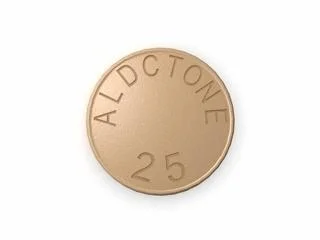
Key points
- Resistant hypertension or hypertension with low potassium can prompt testing for excess aldosterone.
- Screening blood tests are affected by potassium levels, current medicines and body position, so results need careful interpretation.
- One overactive adrenal gland may be treated surgically; bilateral overactivity is usually treated with an aldosterone blocker.
A medicine listing cannot establish the diagnosis or source; biochemical confirmation and subtype assessment guide treatment.
How is excess aldosterone confirmed?
An aldosterone-to-renin screening pattern may lead to confirmatory testing. Imaging alone cannot reliably show which adrenal gland is responsible; selected patients need adrenal-vein sampling before surgery. Normal potassium does not exclude the condition.
How do treatment options differ?
Spironolactone blocks aldosterone but can raise potassium and cause hormonal adverse effects, so blood tests are needed. Broader heart and blood pressure treatment may also be required. Surgery may be considered for confirmed one-sided production.
When to seek urgent care
Seek urgent care for chest pain, stroke symptoms, severe breathlessness, fainting, a dangerous heart rhythm, profound weakness or confusion. These can accompany severe blood-pressure or potassium disturbances.