
Hirsutism
Hirsutism is coarse, pigmented hair growth in an androgen-sensitive pattern, such as the face, chest or abdomen. It may reflect increased androgen production or increased follicle sensitivity despite normal hormone levels.
Cyproterone Acetate and Ethinylestradiol Tablets
2/0.035mg
Cyproterone acetate with ethinylestradiol as a film-coated tablet, used for severe acne, hirsutism and androgenetic alopecia. An anti-androgen with an oestrogen.
Key points
- PCOS is a common cause, but medicines, adrenal conditions and less common ovarian disorders also need consideration.
- Sudden progression, voice deepening or increased muscle mass warrants prompt investigation for marked androgen excess.
- Hormonal and topical treatments slow new growth; existing hair usually needs a separate removal method.
A treatment listing cannot identify the cause of hair growth; menstrual history, examination, pregnancy plans and targeted hormone tests guide care.
What does assessment look for?
Clinicians ask about onset, rate of change, menstrual cycles, acne, scalp hair loss and current medicines. Tests are selected when the pattern suggests androgen excess or another endocrine problem; not everyone needs a broad hormone panel.
How do treatments differ?
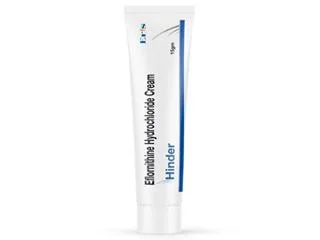
Selected hormonal combinations involving cyproterone and ethinylestradiol can reduce androgen effects but carry clotting and pregnancy-related considerations. Eflornithine slows facial-hair growth rather than removing existing hair. See women’s health and skin care for related context.
When to seek urgent care
Arrange prompt assessment for rapidly increasing hair growth with voice deepening, new severe acne, increased muscle mass, pelvic or abdominal swelling, or menstrual periods stopping unexpectedly. Severe sudden pelvic pain or fainting needs urgent care.