
Genital Warts
Genital warts are growths on or around the genitals or anus caused mainly by low-risk types of human papillomavirus (HPV). Their appearance can overlap with normal skin structures and other lesions, so uncertain growths should be examined.
Key points
- Wart-causing HPV types are usually different from the types most associated with cancer, but routine cervical screening remains important where applicable.
- Treatment removes visible warts rather than eradicating HPV, so recurrence can occur.
- The lesion site, number, pregnancy status and certainty of diagnosis determine which treatment is appropriate.
A wart-treatment listing is not confirmation of HPV; products intended for ordinary hand or foot warts must not be used on genital tissue.
How are genital warts diagnosed?
Diagnosis is usually based on examination. Pigmented, firm, ulcerated, bleeding or otherwise atypical lesions may need specialist review or biopsy. Testing for other sexually transmitted infections may be offered according to risk and symptoms.
What treatments remove visible warts?
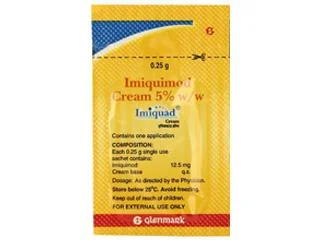
Imiquimod stimulates a local immune response and is one option for suitable external warts. A clinician may instead use freezing, cautery or surgical removal for larger, numerous or internal lesions. Pregnancy and sensitive locations limit which approaches can be used. See skin care for related topical medicine information.
When to seek urgent care
Seek prompt assessment for heavy bleeding, severe pain, rapidly enlarging or ulcerated lesions, difficulty passing urine or stool, or signs of infection such as spreading redness, swelling and fever. Internal lesions and lesions during pregnancy also warrant clinician review.