
Gallstones
Gallstones are solid deposits in the gallbladder. Many cause no symptoms, but a stone blocking the gallbladder outlet or bile duct can trigger severe upper-abdominal pain and lead to inflammation or infection.
Key points
- Gallstones found incidentally may need no treatment, while pain or complications can change the decision.
- Medicines dissolve only selected cholesterol stones and work slowly; they are not a substitute for urgent care or surgery when a duct is blocked.
- The pattern of pain, blood tests and imaging help distinguish gallstones from other liver, stomach and pancreatic problems.
The listings do not establish that abdominal pain comes from gallstones; treatment depends on symptoms, stone features and whether inflammation or obstruction is present.
What does gallstone pain feel like?
A blocked outlet can cause steady, intense pain in the upper right or central abdomen, sometimes spreading to the back or right shoulder. Nausea and vomiting may occur. Ultrasound is commonly used to look for stones and signs of gallbladder inflammation.
When can medicine help?
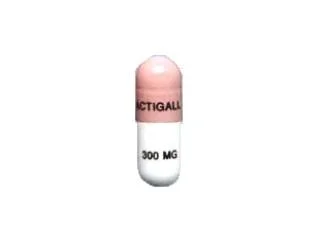
Ursodeoxycholic acid may be considered for particular small cholesterol stones when the gallbladder still functions and surgery is unsuitable. Recurrence is possible. Repeated symptomatic attacks are often managed surgically; a digestive health assessment clarifies the options.
When to seek urgent care
Seek urgent care for severe or persistent abdominal pain, fever or chills, yellow skin or eyes, dark urine, repeated vomiting, fainting or confusion. These can indicate gallbladder infection, pancreatitis or a blocked bile duct.