
Contraception
Contraception is the use of a method to prevent pregnancy, with options differing in effectiveness, duration, user effort, hormones and reversibility.
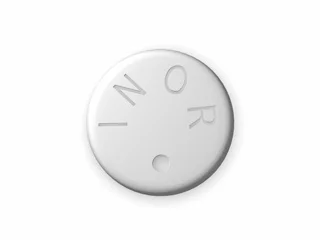

Yasmin
Drospirenone, Ethinylestradiol
3/0.03mg
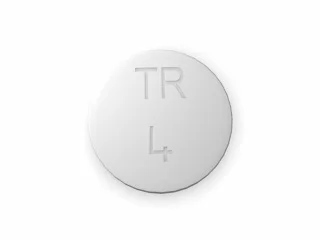
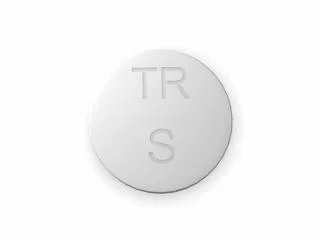
Drospirenone with ethinylestradiol as a film-coated tablet, a combined oral contraceptive also listed for acne vulgaris. Gonadotropins are suppressed.


Alesse
Levonorgestrel, Ethinylestradiol
0.15/0.03 · 0.25/0.05mg
Levonorgestrel with ethinylestradiol tablets, a combined oral contraceptive taken by mouth. The hormone pair suppresses ovulation and thickens cervical mucus.
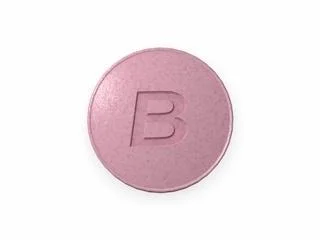
Levlen
Ethinylestradiol, Levonorgestrel
0.03/0.15mg
Ethinylestradiol with levonorgestrel tablets, a combined oral contraceptive. Negative feedback on the hypothalamic-pituitary axis holds ovulation back.


Drospirenone and Ethinyl Estradiol Tablets
Drospirenone, Ethinylestradiol
3/0.03mg
Drospirenone with ethinylestradiol as a film-coated tablet for contraception. Gonadotropin feedback suppresses ovulation and the mucus thickens.
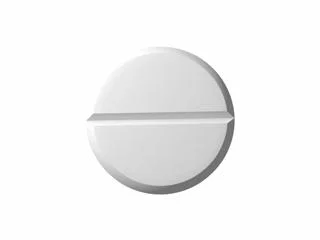
Desogestrel and Ethinyl Estradiol Tablets
0.15/30mg/mcg
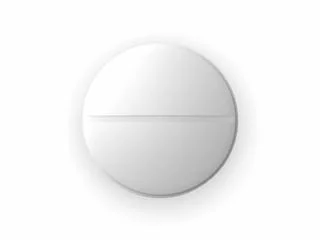
Desogestrel with ethinylestradiol tablets for contraception, working through feedback on the hypothalamic-pituitary axis to suppress ovulation.
Key points
- Long-acting reversible methods are highly effective because they do not depend on daily use, but preference and tolerability still matter.
- Oestrogen-containing methods are unsuitable with some clot, migraine, smoking and cardiovascular risks.
- Condoms are the only contraceptive method that also directly reduces transmission of many sexually transmitted infections.
The listings below are not suitable for every person; pregnancy possibility, medical history, interactions and reproductive goals need review.
Comparing methods
Pills, patch and ring require regular user action. Injection, implant and intrauterine methods last longer and have different bleeding patterns. Progestogen-only methods avoid oestrogen but still have individual contraindications and adverse effects. Fertility generally returns after stopping, though timing varies by method.
Safe selection and follow-up
Assessment covers blood pressure, migraine aura, clot history, smoking, breastfeeding and medicines that induce liver enzymes. Effectiveness can fall with missed doses, vomiting or interactions. New troublesome bleeding, mood symptoms or headaches should prompt review rather than unplanned discontinuation without backup contraception.
When to seek urgent care
Seek urgent care for chest pain, sudden breathlessness, coughing blood, a painful swollen leg, sudden severe headache or neurological symptoms, or severe pelvic pain with possible pregnancy.