
Dermatophytosis
Dermatophytosis is infection by dermatophyte fungi that use keratin in outer skin, hair and nails, producing the tinea group of conditions.

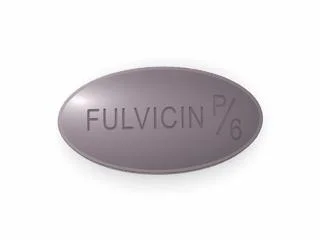
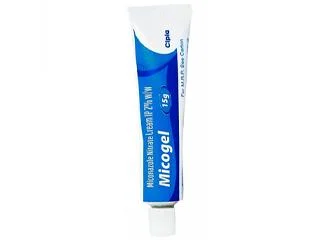
Key points
- Body ringworm often has an advancing scaly edge, but tinea can lose this pattern after corticosteroid exposure.
- Scalp, beard and nail infection usually need oral treatment because topical products do not reach the infected structure adequately.
- Shared towels, footwear, combs, animals and untreated foot infection can maintain transmission or recurrence.
The listings below do not confirm dermatophyte infection; site, microscopy or culture and health factors should guide therapy.
Identifying the site and source
Tinea pedis affects feet, cruris affects groin, corporis affects body skin and capitis affects scalp hair. Scraping from an active edge or nail clipping can confirm fungus. Household contacts or pets may need assessment when scalp disease or repeated reinfection occurs.
Using antifungals effectively
Topical allylamine or azole treatment can clear limited skin disease when applied beyond the visible edge for the advised course. Oral terbinafine, azoles or griseofulvin have site- and organism-specific roles and require interaction or liver review. Keep folds dry and avoid steroid-only treatment.
When to seek urgent care
Seek prompt care for a painful boggy scalp swelling, fever, rapidly spreading redness, pus, eye involvement or severe immune suppression with progressive infection.