
Dermatitis
Dermatitis is an umbrella term for inflamed skin that may be itchy, red or darkened, swollen, scaly, cracked or weeping.
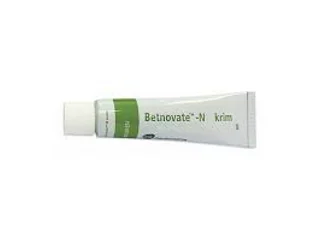
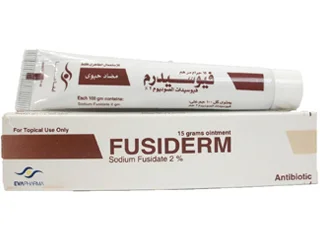
Fusiderm B
2/0.12%
Fusiderm B is betamethasone with fusidic acid as a cream for eczema and dermatitis, a potent steroid alongside an antibacterial agent.
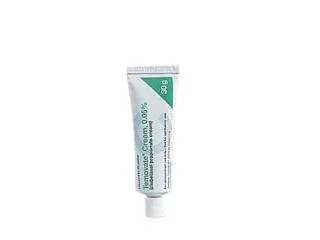
Key points
- Atopic, irritant-contact, allergic-contact and seborrhoeic dermatitis have different triggers and typical distributions.
- Removing a relevant irritant or allergen is more durable than repeatedly suppressing inflammation without identifying exposure.
- Topical corticosteroid potency and duration should match body site, skin thickness, age and severity.
The listings below do not identify the dermatitis type; infection, fungal disease and medicine reactions may require different treatment.
Finding the pattern and trigger
History considers occupation, skincare, jewellery, gloves, detergents and timing of exposure. Distribution often supplies clues: hands suggest repeated irritants, while eyelids may react to products used elsewhere. Patch testing can identify delayed contact allergy when avoidance would change care.
Restoring barrier and controlling inflammation
Fragrance-free emollients and soap substitutes reduce water loss and irritant exposure. Topical corticosteroids or calcineurin inhibitors calm active inflammation in selected sites. Oozing, crusting or rapid painful worsening needs assessment for bacterial or viral infection rather than automatic escalation of steroid.
When to seek urgent care
Seek urgent care for rapidly spreading painful redness, fever with rash, widespread blistering or skin peeling, mouth or eye involvement, facial swelling or breathing difficulty.
Further reading
Related articles

22 Sept 2026 ⋅ 7 min read
Dandruff or Seborrhoeic Dermatitis? When Medicated Shampoo May Help
Understand how dandruff relates to seborrhoeic dermatitis, how medicated shampoos differ, and when scaling needs a different diagnosis.
Read guide
22 Sept 2026 ⋅ 6 min read
Steroid Creams, Fungal Rashes and Hidden Ingredients
Why steroid potency, body site, infection and product source matter, and why a cream that reduces redness may not be treating the cause.
Read guide