
Cystitis
Cystitis is inflammation of the bladder that typically causes painful urination, urgency and frequent small-volume urination.


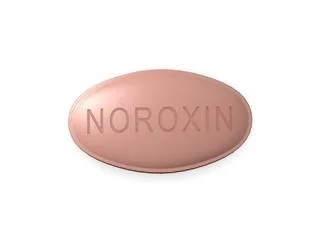

Furadantin
50 · 100mg
Nitrofurantoin 50mg and 100mg tablets, used for cystitis and urinary tract infection. Bacterial flavoproteins reduce it to reactive intermediates.
Key points
- In otherwise healthy non-pregnant women, a typical symptom pattern often indicates bacterial cystitis, but testing is useful in higher-risk or recurrent cases.
- Vaginal discharge, genital sores, pelvic pain or STI exposure point toward other or additional causes.
- Fever, flank pain, vomiting or marked illness suggests kidney infection rather than uncomplicated bladder infection.
The listings below do not confirm a bacterial cause; pregnancy, kidney function, allergy and culture history affect antibiotic selection.
When urine testing helps
Dipstick and culture are more important during pregnancy, in men, children, recurrent infection, treatment failure or unusual symptoms. Blood in urine can occur with infection but should be reassessed if it persists. Interstitial cystitis and bladder irritants can cause similar symptoms without bacteria.
Treatment and prevention
Short-course antibiotics are selected according to local guidance and individual risks. Symptom improvement does not justify saving leftover tablets. Recurrent episodes warrant confirmation and review of triggers, anatomy and menopausal changes; prevention may include behavioural measures or clinician-directed prophylaxis.
When to seek urgent care
Seek urgent care for fever with back or flank pain, repeated vomiting, confusion, fainting, inability to pass urine, pregnancy with urinary symptoms or rapidly worsening illness.
Further reading
What is cystitis?
Cystitis is inflammation of the bladder. It typically causes painful urination, urgency and frequent small-volume urination.
What are the symptoms of cystitis?
The typical symptoms are painful urination, urgency and frequent passing of small amounts of urine. Vaginal discharge, genital sores or pelvic pain may point toward other or additional causes.
How is cystitis treated?
Short-course antibiotics are selected according to local guidance and individual risks. If symptoms improve, leftover tablets should not be saved for later use.
When should I seek urgent care for cystitis?
Seek urgent care for fever with back or flank pain, repeated vomiting, confusion, fainting, inability to pass urine, or urinary symptoms during pregnancy. Rapidly worsening illness also needs urgent attention.
Which medicines for cystitis does SGMeds list?
SGMeds lists products containing nitrofurantoin, cefpodoxime and norfloxacin for cystitis, for example Macrobid (nitrofurantoin) and Furadantin (nitrofurantoin). Each product page gives the strengths and forms.
Can I buy medicines for cystitis over the counter in Singapore?
Yes, online. SGMeds does not ask for a prescription to order medicines for cystitis: we place the order with our pharmacy partner, which prepares it and arranges delivery on your behalf.
Ordering without a prescription →Can I order medicines for cystitis online in Singapore?
Yes, here on SGMeds: choose the product, strength and pack, then check out. Parcels go to Singapore and Malaysia by Express shipping (tracked, up to 1 week) or Regular shipping (up to 3 weeks).
How ordering works →