
Estriol Topical
15g
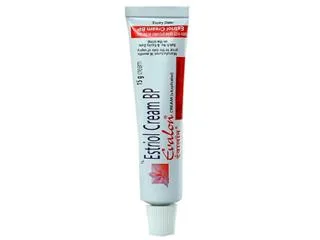
Estriol cream in a 15g tube, applied vaginally for atrophic vaginitis. It replaces the oestrogen the tissue lacks, restoring its elasticity.
From$32.81/ tubeView
Atrophic vaginitis is thinning, dryness and inflammation of vaginal tissue caused by lower oestrogen, most often after menopause or some cancer treatments.
15g
Estriol cream in a 15g tube, applied vaginally for atrophic vaginitis. It replaces the oestrogen the tissue lacks, restoring its elasticity.
The listings below do not confirm the cause of symptoms; cancer history, unexplained bleeding and hormone risks affect treatment.
Examination can identify fragile pale tissue and exclude infection, skin disease, prolapse or a lesion. Swabs or urine tests may be useful when discharge or urinary symptoms are present. Symptoms and findings are now often grouped under genitourinary syndrome of menopause.
Regular vaginal moisturiser supports baseline comfort, while lubricant reduces friction during sex. Low-dose local oestrogen acts mainly at vaginal tissue and has lower systemic exposure than systemic therapy, but suitability still needs review in people with hormone-sensitive cancer or unexplained bleeding.
Arrange prompt assessment for any bleeding after menopause, severe pelvic pain, fever, foul-smelling discharge, inability to pass urine or pain and bleeding when pregnancy is possible.

22 Sept 2026 ⋅ 6 min read
Compare local vaginal oestrogen with systemic HRT by treatment reach, symptom focus, absorption and the personal factors that change the discussion.
Read guide