
Gouty Arthritis
Gouty arthritis occurs when monosodium urate crystals trigger inflammation inside a joint. Flares can become intensely painful within hours, with redness, heat and swelling.
Key points
- Big-toe involvement is typical, but gout can affect ankles, knees, wrists and other joints.
- Anti-inflammatory treatment calms a flare; it does not remove the urate crystals that drive recurrence.
- Fever or severe illness with a swollen joint needs urgent assessment for infection rather than presumed gout treatment.
A pain-medicine listing cannot distinguish gout from septic arthritis or injury; the diagnosis, kidney function and other medicines determine safe options.
What can trigger a flare?
Persistently raised urate allows crystals to accumulate. Dehydration, alcohol, illness and sudden changes in urate can precipitate inflammation, but a single meal is rarely the whole explanation. Kidney disease and some diuretics can raise risk.
How is a flare managed?
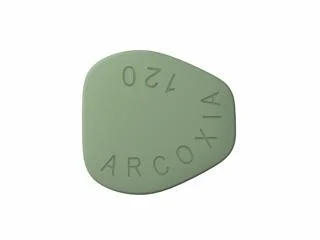
Etoricoxib is one anti-inflammatory option, but stomach, kidney, heart and blood-pressure risks matter. Colchicine or a corticosteroid may be considered in other situations. Recurrent flares call for review of long-term urate lowering, not repeated reliance on acute medicines. See pain management for class context.
When to seek urgent care
Seek same-day assessment for fever, chills, a first hot swollen joint, rapidly spreading redness, severe illness, recent joint surgery or injection, or inability to bear weight. A joint infection can resemble gout and can damage the joint quickly.
Further reading
Related articles

22 Sept 2026 ⋅ 6 min read
Gout Flare Medicine vs Uric-Acid-Lowering Medicine
Understand the different roles of colchicine, NSAIDs and corticosteroids for flares versus allopurinol and febuxostat for urate lowering.
Read guide