Yasmin
Drospirenone, Ethinylestradiol
3/0.03mg
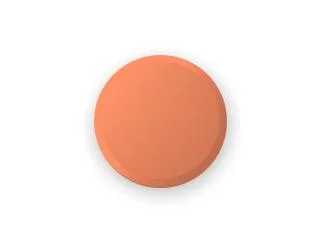
Drospirenone with ethinylestradiol as a film-coated tablet, a combined oral contraceptive also listed for acne vulgaris. Gonadotropins are suppressed.
From$1.33/ tabletView
Acne vulgaris is the common form of acne caused by blocked and inflamed hair follicles, producing comedones, papules, pustules and sometimes nodules.
Drospirenone, Ethinylestradiol
3/0.03mg
Drospirenone with ethinylestradiol as a film-coated tablet, a combined oral contraceptive also listed for acne vulgaris. Gonadotropins are suppressed.
100mg
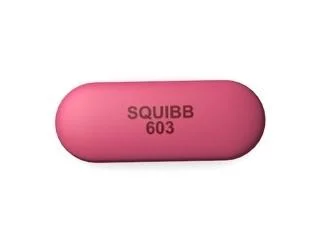
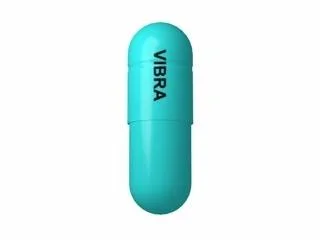
Doxycycline 100mg capsules and tablets, used for acne vulgaris, chlamydia, Lyme disease and respiratory tract infection. A broad-spectrum tetracycline.
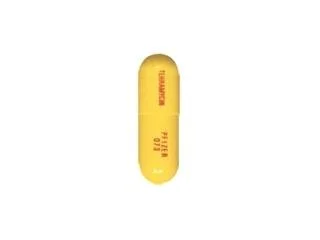
250mg
Oxytetracycline 250mg film-coated tablets, used for acne vulgaris and respiratory tract infection. A broad-spectrum tetracycline taken by mouth.
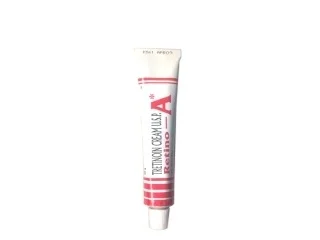
0.01 · 0.025%
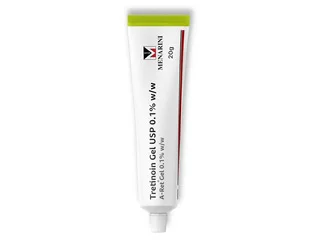
Retin-A Gel is tretinoin at 0.01% and 0.025% in a gel base for acne vulgaris, a vitamin A derivative that speeds turnover of the skin.
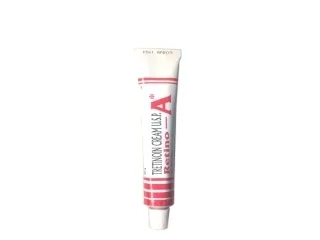
0.025 · 0.05%
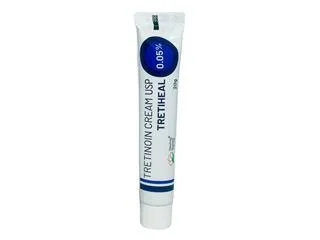
Tretinoin cream at 0.025% and 0.05%, applied for acne vulgaris and photoageing. It normalises keratinisation so microcomedones do not form.
The listings below are not a personalised regimen; lesion type, severity, pregnancy possibility and skin tolerance matter.
Topical retinoids help prevent blocked follicles, benzoyl peroxide reduces inflammatory lesions, and antibiotics are reserved for selected inflammatory cases. Oral treatment may be considered for widespread, scarring or treatment-resistant disease. Antibiotics should not be used indefinitely or as unsupported monotherapy.
Use gentle cleansing, a non-comedogenic moisturiser and sunscreen. Start irritating products gradually and avoid squeezing lesions. Persistent pigmentation is different from a true scar; both benefit from controlling new inflammation, but established scars may need procedural treatment.
Seek prompt care for fever with rapidly spreading redness, severe facial swelling, eye involvement, or blistering, skin peeling or breathing difficulty after starting a medicine.
Acne vulgaris is the common form of acne, caused by blocked and inflamed hair follicles.
Acne appears as blackheads and whiteheads (comedones), red bumps (papules), pus-filled spots (pustules) and sometimes deep, painful lumps (nodules). It can also leave dark marks after the spots heal, or permanent scars.
No. Blackheads are pores blocked with oil and dead skin that darken when they meet the air, not trapped dirt, so scrubbing harder does not remove the cause.
Retinoid creams and gels help prevent blocked pores, benzoyl peroxide reduces red, inflamed spots, and antibiotics are kept for some inflamed acne. Tablets may be considered for widespread or scarring acne, or acne that has not responded to other treatment. A consistent routine works better than switching products often, and visible benefit usually takes several weeks.
SGMeds lists products containing tretinoin, minocycline and tetracycline for acne, for example Minomycin (minocycline) and Sumycin (tetracycline). Each product page gives the strengths and forms.
No. SGMeds does not ask for a prescription to order medicines for acne: we place the order with our pharmacy partner, which prepares it and arranges delivery on your behalf.
Ordering without a prescription →Yes, here on SGMeds: choose the product, strength and pack, then check out. Parcels go to Singapore and Malaysia by Express shipping (tracked, up to 1 week) or Regular shipping (up to 3 weeks).
How ordering works →
22 Sept 2026 ⋅ 6 min read
Why oral isotretinoin has different pregnancy, monitoring and adverse-effect requirements from topical retinoids and routine acne products.
Read guide