
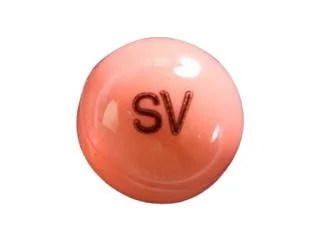
Prometrium
100 · 200mg
Progesterone 100mg and 200mg soft capsules, used as part of hormone replacement therapy. The natural hormone rather than a synthetic progestogen.
From$2.23/ tabletView
Hormone replacement therapy (HRT) can relieve hot flushes, night sweats and genitourinary symptoms associated with menopause. Benefits and risks depend on the formulation, route, age, medical history and whether the uterus is present.
100 · 200mg
Progesterone 100mg and 200mg soft capsules, used as part of hormone replacement therapy. The natural hormone rather than a synthetic progestogen.
An HRT listing does not identify a suitable regimen; symptom pattern, uterus status, medical history and personal priorities guide prescribing.
Systemic treatment is effective for vasomotor symptoms and helps prevent bone loss while it is used. Local treatment may be enough for vaginal dryness or discomfort. Premature ovarian insufficiency and surgical menopause involve different long-term considerations from menopause at the usual age.
Oestrogen may be oral or transdermal; progesterone or another progestogen may be added. Clotting, migraine, liver disease, cardiovascular risk and breast or endometrial history affect route and suitability. Regular review in women’s health care considers symptom control and changing risk.
Seek emergency help for chest pain, sudden breathlessness, coughing blood, one-sided leg swelling, stroke symptoms or a severe allergic reaction. New unexplained vaginal bleeding requires prompt assessment.
Hormone replacement therapy (HRT) can ease hot flushes, night sweats and genitourinary symptoms linked to menopause. The right treatment depends on the form and route, your age, your medical history and whether you still have your uterus.
Systemic HRT is used for vasomotor symptoms such as hot flushes and night sweats. If you have vaginal dryness or discomfort, local treatment may be enough on its own.
SGMeds lists products containing progesterone for hormone replacement therapy, for example Prometrium (progesterone). Each product page gives the strengths and forms.
Get emergency help for chest pain, sudden breathlessness, coughing blood, one-sided leg swelling, stroke symptoms or a severe allergic reaction. New unexplained vaginal bleeding should be checked promptly. A history of blood clots, liver disease or hormone-sensitive cancer needs individual assessment before treatment.
Medicines listed for menopausal symptoms include Estrace (estradiol) and Premarin (conjugated oestrogens), which are oestrogens, and Tibofem (tibolone), a synthetic steroid hormone. Prometrium (progesterone) is used for hormone replacement therapy. A doctor or pharmacist can advise which suits you.
No. SGMeds does not ask for a prescription to order medicines for hormone replacement therapy: we place the order with our pharmacy partner, which prepares it and arranges delivery on your behalf.
Ordering without a prescription →Yes. We deliver to Singapore and Malaysia. Express shipping is tracked and takes up to 1 week, and Regular shipping takes up to 3 weeks.
How ordering works →