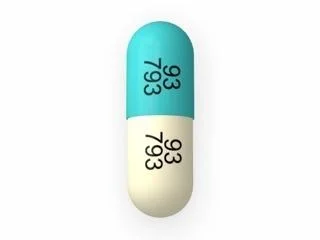
Buy Chloromycetin
chloromycetin
$30.30
- Active ingredient: Chloramphenicol
- Category: Antibiotics
- Delivery time: Airmail (14-21 days) | EMS trackable (5-9 days)
- Prescription: Included
- Availability: In Stock
Chloromycetin capsules containing Chloramphenicol are available from our Singapore pharmacy. This broad-spectrum antibiotic works by inhibiting bacterial protein synthesis, making it effective against various serious infections including typhoid fever, meningitis, and eye infections. It is an ideal solution for treating specific bacterial infections when other antibiotics are not suitable, under proper medical guidance.
Table of contents
- Chloromycetin (Chloramphenicol) Buyer and Patient Handbook in Singapore
- What is Chloromycetin?
- Who Should Use Chloromycetin?
- How Does It Work?
- Why Choose Chloromycetin?
- Dosage, Administration, Lifestyle and Dietary Recommendations
- Recommended Dosage
- How to Take
- Missed Dose
- Overdose
- Special Populations
- Lifestyle & Diet
- Precautions and Warnings
- Drug Interactions
- Potential Side Effects
- Common Side Effects
- Less Common Side Effects
- Serious Side Effects
- Who Should Avoid This Medication?
- Storage Instructions
- Chloromycetin Alternatives
- Frequently Asked Questions
- How quickly can I expect to feel better after starting Chloromycetin?
- Can I take Chloromycetin with my regular multivitamin?
- Is it safe to drink coffee while on this medication?
- What should I do if I develop a rash?
- Can I travel abroad while taking Chloromycetin?
- Does Chloromycetin interact with herbal supplements such as St. John’s wort?
- How often are blood tests required during treatment?
- What happens if I miss a dose for more than a day?
- Glossary
- Disclaimer
- Chloromycetin Drug Class
- Chloromycetin Connected Conditions
- How to order Chloromycetin from our Online Pharmacy
- Reviews
- Write your review
Chloromycetin (Chloramphenicol) Buyer and Patient Handbook in Singapore
What is Chloromycetin?
Chloromycetin is a broad-spectrum antibiotic belonging to the chloramphenicol class, used to treat serious bacterial infections such as Typhoid Fever, Meningitis, and certain anaerobic infections. It is approved by Singapore’s Health Sciences Authority (HSA) and conforms to international FDA/EMA quality standards. The medication is supplied as oral pills, available in 250 mg and 500 mg strengths.
Who Should Use Chloromycetin?
- Adults requiring treatment for confirmed infections caused by susceptible bacteria.
- Patients with severe infections where first-line antibiotics are ineffective or contraindicated.
- Individuals without a known allergy to chloramphenicol or related compounds.
How Does It Work?
Chloromycetin interferes with bacterial protein synthesis by binding to the 50S ribosomal subunit, halting the formation of essential proteins and leading to bacterial cell death. Think of the ribosome as a factory assembly line; the drug stops the line, preventing the bacteria from building the components they need to survive. Because it targets a critical step common to many bacteria, it is effective against a wide range of Gram-positive and Gram-negative organisms.
Why Choose Chloromycetin?
- Broad coverage: Effective against bacteria that are resistant to many other antibiotics.
- Convenient oral formulation: Allows treatment without hospitalization for many indications.
- Established safety profile: Decades of clinical use provide extensive data on efficacy and tolerability. Note: Off-label uses exist but should be discussed with a qualified healthcare professional.
Dosage, Administration, Lifestyle and Dietary Recommendations
Recommended Dosage
- 250 mg tablet: Typically 1-2 tablets every 6 hours, adjusted to infection severity.
- 500 mg tablet: Usually 1 tablet every 6 hours for severe infections.
How to Take
- Swallow the tablet whole with a full glass of water.
- Take the dose at evenly spaced intervals (e.g., 6 am, 12 pm, 6 pm, midnight).
- Do not crush or chew the tablet, as this may affect absorption.
Missed Dose
- If you remember within 2 hours, take the missed dose.
- If more than 2 hours have passed, skip it and continue with the regular schedule. Do not double-dose.
Overdose
- Seek immediate medical attention.
- Symptoms may include Nausea, Vomiting, abdominal Pain, or dizziness.
Special Populations
- Elderly: Start at the lower end of the dosing range; monitor kidney function.
- Renal or hepatic impairment: Dose reduction may be required; close clinical monitoring is advised.
- Pregnancy & lactation: Use only if the potential benefit outweighs the risk; chloramphenicol can cross the placenta and appear in breast milk.
Lifestyle & Diet
- Avoid taking the medication with antacids containing aluminum or magnesium, as they may reduce absorption.
- No specific food restrictions, but maintain a balanced diet to support recovery.
- Do not consume grapefruit juice while on chloramphenicol, as it can increase drug levels and risk of toxicity.
Precautions and Warnings
- Monitor blood counts regularly; chloramphenicol can cause bone-marrow suppression, leading to anemia or severe neutropenia.
- Discontinue if signs of aplastic anemia (e.g., unexplained bruising, Fatigue) appear.
- Use with caution in patients with a history of liver disease.
- Avoid alcohol excess, as it may exacerbate liver stress.
Drug Interactions
| Drug Class | Risk | Action |
|---|---|---|
| Anticoagulants (e.g., warfarin) | ↑ bleeding risk | Monitor INR, adjust dose |
| Carbamazepine | ↓ chloramphenicol levels | Check therapeutic response |
| NSAIDs (high dose) | ↑ risk of bone-marrow suppression | Frequent blood count checks |
Potential Side Effects
Common Side Effects
- Nausea
- Diarrhoea
- Headache
- Rash
Less Common Side Effects
- Dizziness
- Mild liver enzyme elevation
- Metallic taste
Serious Side Effects
- Aplastic anemia: sudden fatigue, bruising, or infections; seek urgent medical care.
- Severe neutropenia: fever, sore throat; contact a healthcare provider immediately.
Who Should Avoid This Medication?
- Individuals with a known hypersensitivity to chloramphenicol or any component of the tablet.
- Patients who have previously experienced aplastic anemia or severe bone-marrow suppression from chloramphenicol.
- Those with active, uncontrolled liver disease unless benefits clearly outweigh risks.
Storage Instructions
- Keep the bottle tightly closed, stored at 20-25 °C (room temperature).
- Protect from excessive heat, moisture, and direct sunlight.
- Keep out of reach of children and pets.
Chloromycetin Alternatives
| Name | Class | Key Difference |
|---|---|---|
| Azithromycin | Macrolide | Better tolerated gastrointestinally |
| Ciprofloxacin | Fluoroquinolone | Broader Gram-negative coverage |
| Amoxicillin | Penicillin | Safer in pregnancy, narrower spectrum |
Frequently Asked Questions
How quickly can I expect to feel better after starting Chloromycetin?
Most patients notice an improvement in symptoms within 48-72 hours, but it is essential to complete the full course to prevent relapse.
Can I take Chloromycetin with my regular multivitamin?
Yes, multivitamins do not interfere with chloramphenicol absorption.
Is it safe to drink coffee while on this medication?
Moderate coffee intake is acceptable; excessive caffeine may aggravate side-effects like headache.
What should I do if I develop a rash?
Stop the medication and seek medical advice promptly; a rash can be an early sign of an allergic reaction.
Can I travel abroad while taking Chloromycetin?
Travelling is permitted, but carry a copy of your prescription and a letter from your clinician confirming the need for the medication.
Does Chloromycetin interact with herbal supplements such as St. John’s wort?
St. John’s wort may reduce chloramphenicol levels, potentially decreasing efficacy. Avoid concurrent use.
How often are blood tests required during treatment?
Baseline complete blood count (CBC) is recommended, followed by weekly monitoring for the first two weeks, then as clinically indicated.
What happens if I miss a dose for more than a day?
Contact a healthcare professional to discuss whether the regimen should be restarted or adjusted.
Glossary
- Broad-spectrum antibiotic: A drug effective against a wide variety of bacterial species.
- Bone-marrow suppression: Reduced production of blood cells, leading to anemia or increased infection risk.
- Aplastic anemia: A rare, serious condition where the bone marrow fails to produce sufficient new blood cells.
Disclaimer
The information provided here is for general educational purposes only and does not replace professional medical advice. Chloromycetin may be used off-label only under the guidance of a qualified healthcare practitioner. Readers are responsible for verifying the suitability of this medication for their own health circumstances. Our service offers a convenient platform to obtain approved medicines in Singapore; it does not prescribe, dispense, or guarantee clinical outcomes. Always consult a licensed healthcare professional before starting or stopping any medication.
Chloromycetin Drug Class
Chloromycetin Connected Conditions
How to order Chloromycetin from our Online Pharmacy
To order Chloromycetin | Chloramphenicol on our online pharmacy, all you need to do is select the required dosage and quantity of pills above. The cost of the selected pack will appear automatically. Next, add the chosen amount to your cart by clicking the Add to Cart button. You can either continue shopping for more medications or head to the checkout. At the Checkout, finalize your purchase through our secure payment gateway.
Chloromycetin / Chloramphenicol pills are made using high-quality generic ingredients and are subject to strict quality control in line with WHO and Health Sciences Authority (HSA) standards. However, please note that Chloromycetin pills are dispatched from outside Singapore due to prescriptions issued overseas.
Disclaimer: The content on this website is provided solely for informational purposes and is not intended to replace professional medical advice, diagnosis, or treatment. Always consult a qualified healthcare provider with any questions or concerns regarding your health, and never disregard or delay seeking professional advice based on the information presented here. Use of this website does not create a doctor-patient relationship, and in the event of a medical emergency, please contact your local emergency services immediately. Our website assumes no responsibility or liability for any errors or omissions in the content provided.
Reviews
Day 3 on Chloromycetin for a stubborn sinus infection. It's definitely doing something - the pressure is easing up a bit. But wow, the metallic taste in my mouth is insane, like I'm sucking on a coin 24/7. Drinking lots of water helps a little, but it's hard to enjoy food. Hoping this side effect fades soon because it's really unpleasant.
Doctor prescribed this for a skin infection after a minor cut got really bad. Only been two days but the redness is going down. The pill is huge though, had to learn to swallow it with a big gulp of juice. Feeling a bit nauseous after taking it, so I make sure to have a small snack first. A bit worried about the stories I've read online, but trusting the doc for now.
Been on Chloromycetin on and off for years for chronic bronchitis. It's the only thing that kicks the infection when it gets bad. The key is to ALWAYS take the full course, even if you feel better after a few days. Otherwise, it comes back worse. I've learned to take it right after a meal to avoid stomach upset. The taste thing is still there, but you get used to it. Small price to pay for being able to breathe.
My go-to for serious bacterial infections. Tried others, but this one works fastest for me. Pro tip: if the 500mg pill is too harsh on your stomach, ask your doc if you can split it and take 250mg twice a day. Made a world of difference for me. Still get a bit of a headache, but it's manageable. Just remember, this is heavy-duty stuff, not for your average cold.
I have a recurring ear infection, and Chloromycetin is what they give me when it's bad. It works, no doubt. But it wipes me out. I feel exhausted for the whole week I'm on it. I plan my life around it now - clear my schedule, no heavy work. Also, my partner says my breath smells weird when I'm on it. It's effective, but it's a rough ride.
Used this for a post-surgery infection. It cleared it up completely, which was a relief. However, it gave me terrible diarrhea. I had to be really careful with my diet - stuck to plain rice, bananas, and toast. Probiotic yogurt helped a bit. So yeah, it fixed one problem but created another. Important to stay hydrated if you experience this side effect.
This medication is a double-edged sword for me. It's brilliant for knocking out my chronic sinusitis, but it messes with my mood. I get really irritable and low for a few days after starting the course. My family knows to give me space. It's like my brain chemistry gets a bit off. The infection goes away, but my mental state takes a hit. Weighing the pros and cons is tough.
Had to take Chloromycetin for a nasty eye infection. The pills worked fast, infection was gone in about 4 days. But I developed a minor rash on my arms. Doctor said it's a known but less common side effect. It wasn't itchy, just there. Went away a couple of days after I finished the medication. So, effective, but keep an eye out for skin reactions.