
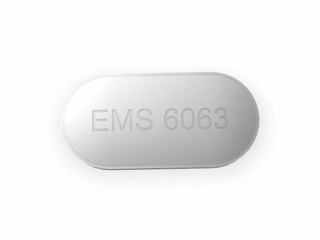
Buy Glucophage
glucophage
$15.90
Glucophage (Metformin) is available in 500mg, 850mg, and 1000mg tablets from our Singapore pharmacy. It works by reducing glucose production in the liver and improving the body's sensitivity to insulin, helping to control blood sugar levels. This first-line medication is essential for adults managing type 2 diabetes, offering effective glycemic control as part of a comprehensive treatment plan.
Table of contents
- Glucophage (Metformin) Buyer and Patient Handbook in Singapore
- What is Glucophage?
- Who Should Use Glucophage?
- How Does It Work?
- Why Choose Glucophage?
- Dosage, Administration, Lifestyle and Dietary Recommendations
- Recommended Dosage
- How to Take
- Missed Dose
- Overdose
- Special Populations
- Lifestyle & Diet
- Precautions and Warnings
- Drug Interactions
- Potential Side Effects
- Common Side Effects
- Less Common Side Effects
- Serious Side Effects
- Who Should Avoid This Medication?
- Storage Instructions
- Glucophage Alternatives
- Frequently Asked Questions
- How long does it take for Glucophage to lower blood sugar?
- Can I take Glucophage if I drink coffee?
- Is it safe to exercise while on Glucophage?
- Do I need to adjust the dose if I gain weight?
- Can I use Glucophage during a holiday fasting period?
- What should I do if I feel persistent nausea?
- Is Glucophage compatible with over-the-counter herbal supplements?
- How often should my kidney function be checked?
- Glossary
- Disclaimer
- Glucophage Properties
- Glucophage Drug Class
- Glucophage Connected Conditions
- How to purchase Glucophage on our Website
- Reviews
- Write your review
Glucophage (Metformin) Buyer and Patient Handbook in Singapore
What is Glucophage?
Glucophage is an oral big-biguanide antihyperglycaemic tablet used to lower high blood sugar in Type 2 Diabetes. It belongs to the biguanide class and is approved by the Health Sciences Authority (HSA) for adult patients. The medication is supplied in tablet form.
Who Should Use Glucophage?
- Adults (≥ 18 years) with type 2 diabetes
- Patients whose blood glucose is not controlled by diet and exercise alone
- Individuals with normal kidney function (eGFR ≥ 45 mL/min/1.73 m²)
How Does It Work?
Glucophage decreases glucose production in the liver, improves insulin sensitivity in muscle, and reduces intestinal glucose absorption. Think of it as a traffic controller that slows the flow of sugar into the bloodstream, helping the body use insulin more efficiently. It is not a stimulant and does not cause a “high” feeling.
Why Choose Glucophage?
Glucophage is the reference product with a long safety record and is widely reimbursed in Singapore, making it a cost-effective option. Generic metformin tablets have the same bio-equivalence, so you can switch without loss of efficacy. Off-label uses (e.g., Polycystic Ovary Syndrome) should only be tried after professional consultation.
Dosage, Administration, Lifestyle and Dietary Recommendations
Recommended Dosage
- Start with 500 mg once daily with the evening meal.
- Titrate up to 500 mg twice daily (total 1 g) after one week if tolerated.
- Maximum recommended dose is 200 mg per day, typically in divided doses of 500 mg, 850 mg or 100 mg tablets.
How to Take
- Swallow the tablet whole with a full glass of water.
- Take with food to reduce stomach upset.
- Do not crush or chew.
Missed Dose
- If you remember within 8 hours, take it with the next meal.
- If it is close to the next scheduled dose, skip the missed one-do not double-dose.
Overdose
- Seek emergency care if you suspect an overdose (e.g., > 4 g).
- Symptoms may include Nausea, abdominal Pain, lethargy, or lactic acidosis.
- Hospital treatment may involve activated charcoal and supportive care.
Special Populations
- Elderly: Start at 500 mg once daily; monitor kidney function.
- Renal impairment: Contraindicated if eGFR < 45 mL/min/1.73 m².
- Pregnancy & breastfeeding: Consider only if benefits outweigh risks; consult your healthcare provider.
Lifestyle & Diet
- Avoid excessive alcohol, which raises the risk of lactic acidosis.
- No strict carbohydrate restriction is needed, but a balanced diet supports glucose control.
- Grapefruit juice does not interact with metformin, but maintain consistent meal timing.
Precautions and Warnings
- Monitor renal function before starting and at least annually.
- Watch for signs of lactic acidosis: rapid breathing, Muscle Pain, unusual Fatigue, or stomach discomfort.
- Use with caution in patients with liver disease or Heart Failure.
Drug Interactions
| Drug Class | Risk | Action |
|---|---|---|
| Iodinated contrast agents | ↑ risk of lactic acidosis | Hold Glucophage 48 h before and after use |
| Cimetidine | ↑ metformin plasma levels | Reduce dose or monitor renal function |
| Certain diuretics (e.g., furosemide) | Potential renal function decline | Check kidney labs regularly |
Potential Side Effects
Common Side Effects
- Nausea
- Diarrhoea
- Abdominal discomfort
Less Common Side Effects
- Metallic taste
- Vitamin B12 deficiency (monitor long-term)
Serious Side Effects
- Lactic acidosis (medical emergency)
- Severe skin reactions (e.g., Stevens-Johnson syndrome)
If any serious symptom appears, seek medical attention promptly.
Who Should Avoid This Medication?
- Patients with eGFR < 45 mL/min/1.73 m²
- History of lactic acidosis
- Acute or chronic metabolic acidosis (including diabetic ketoacidosis)
- Known hypersensitivity to metformin or any tablet excipients
Storage Instructions
- Keep tablets in the original container, tightly closed.
- Store at room temperature (15-30 °C); protect from moisture and heat.
- Keep out of reach of children.
Glucophage Alternatives
| Name | Class | Key Difference |
|---|---|---|
| Glyburide | Sulfonylurea | Stimulates insulin release (higher hypoglycaemia risk) |
| Sitagliptin | DPP-4 inhibitor | Works on incretin pathway; weight neutral |
| Pioglitazone | Thiazolidinedione | Improves insulin sensitivity; may cause fluid retention |
Frequently Asked Questions
How long does it take for Glucophage to lower blood sugar?
Typically 2-3 weeks for a noticeable reduction; full effect may be seen after 8 weeks of stable dosing.
Can I take Glucophage if I drink coffee?
Yes, moderate caffeine does not affect metformin’s action.
Is it safe to exercise while on Glucophage?
Regular aerobic exercise is encouraged; monitor for signs of low blood sugar, although metformin alone rarely causes hypoglycaemia.
Do I need to adjust the dose if I gain weight?
Dose adjustments are based on blood glucose targets and renal function, not weight alone.
Can I use Glucophage during a holiday fasting period?
If fasting exceeds 12 hours, discuss dose timing with your clinician to avoid gastrointestinal upset.
What should I do if I feel persistent nausea?
Take the tablet with food, split the dose, or consider a slower titration schedule; discuss alternatives if symptoms continue.
Is Glucophage compatible with over-the-counter herbal supplements?
Some herbs (e.g., St. John’s wort) may affect blood sugar; check with a pharmacist before combining.
How often should my kidney function be checked?
At baseline, then at least annually, or more often if you have risk factors for renal decline.
Glossary
- Biguanide: A class of drugs that lower glucose production in the liver.
- eGFR: Estimated glomerular filtration rate, a measure of kidney function.
- Lactic acidosis: A rare but serious condition where lactic acid builds up in the blood.
Disclaimer
The information provided is for general educational purposes and does not replace professional medical advice. Off-label uses require a clinician’s assessment. Our online pharmacy platform offers convenient ordering, but users remain responsible for verifying suitability and adhering to local regulations. Always consult a qualified healthcare professional before starting, stopping, or changing any medication.
Glucophage Properties
- Original Manufacturer: Various
- Clinical use: Used for the treatment of type 2 diabetes.
- Spectrum of activity: Antidiabetic
- Mechanism of action: Improves insulin sensitivity and reduces glucose production in the liver.
- Classification: Biguanide
- Recommended Dosage: 500 mg to 1000 mg twice daily, taken orally with meals.
- Basic Side Effects: Diarrhea, Nausea
- Moderate Side Effects: Abdominal pain, Lactic acidosis
- Serious Side Effects: Severe cases of lactic acidosis
Glucophage Drug Class
Glucophage Connected Conditions
How to purchase Glucophage on our Website
To purchase Glucophage | Metformin on our website, just select the required dosage and quantity of pills above. The price of your choice will appear automatically. Next, add the chosen amount to your cart by clicking the Add to Cart button. You can either continue shopping for more pills or head to the checkout. At the Checkout, finalize your purchase through our secure payment gateway.
Glucophage / Metformin pills are made using high-quality generic ingredients and are subject to strict quality control in line with WHO and Health Sciences Authority (HSA) standards. However, please note that Glucophage pills are dispatched from outside Singapore due to prescriptions issued overseas.
Disclaimer: The content on this website is provided solely for informational purposes and is not intended to replace professional medical advice, diagnosis, or treatment. Always consult a qualified healthcare provider with any questions or concerns regarding your health, and never disregard or delay seeking professional advice based on the information presented here. Use of this website does not create a doctor-patient relationship, and in the event of a medical emergency, please contact your local emergency services immediately. Our website assumes no responsibility or liability for any errors or omissions in the content provided.
Reviews
Been on Glucophage for 3 months now. The first two weeks were brutal - stomach cramps, running to the toilet after every meal. My doctor said to stick with it, so I did. Now the side effects are mostly gone. My fasting sugar is finally under 6. It's not a magic pill, still gotta watch the rice and roti canai, but it's helping.
Just started 500mg last week. The nausea is real. Took it after breakfast like the clinic said, felt awful all day. Someone online said to take it right in the middle of a meal, not after. Tried that yesterday and it was way better. Still get a bit of a metallic taste, but manageable. Hoping my body gets used to it.
Five years on Metformin. The key is to NEVER take it on an empty stomach. I take my 1000mg dose with dinner. If I forget and take it late, I pay the price with gut rot. My A1c has been stable at 5.8 for years. The only annoying thing is the B12 deficiency, so I have to take a supplement for that now. Small price to pay.
It controls my sugar, but wow, the gas. It's embarrassing. I found that avoiding sugary drinks and cutting down on bread helps a lot. Also, my doctor switched me to the extended-release version, and that made a huge difference for the stomach issues. I can actually live my life now without worrying about being near a bathroom.
My PCOS symptoms are much better on Glucophage. Less hair loss, periods are regular for the first time ever. But it did nothing for my weight, despite what people say. And if I eat anything too greasy, like gorengan, I'm in trouble. You learn what your triggers are.
Pro tip: Ask your doc for the 850mg pill and split it if the 1000mg is too harsh. I take half with breakfast, half with dinner. Smoother on the system and my sugar levels are just as good. Also, drink tons of water. Dehydration makes the side effects worse.
It works, but I hate it. My energy levels are better, sure. But the brain fog in the first hour after taking it is weird. And my appetite is gone, which is good for weight loss but sometimes I forget to eat and then feel shaky. It's a constant balancing act.
Been on it for a decade. It does its job. The initial side effects go away if you're patient. My advice: keep imodium on hand for the first month, just in case. And get your B12 checked yearly. It's a long-term commitment, not a quick fix.