
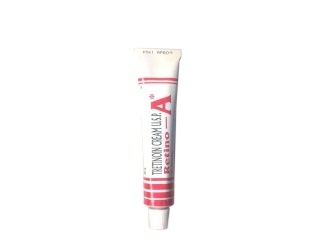
Buy Retin-A Cream
Retin-A Cream
$45.90
- Active ingredient: Tretinoin
- Category: Hair & Skin Care
- Delivery time: Airmail (14-21 days) | EMS trackable (5-9 days)
- Prescription: Included
- Availability: In Stock
Retin-A Cream containing Tretinoin 0.025% and 0.05% strengths is available to order from our Singapore pharmacy with reliable delivery. This topical retinoid works by accelerating skin cell turnover to unclog pores, reduce acne formation, and improve skin texture and tone. It serves as an effective solution for adults and teenagers managing acne breakouts or seeking anti-aging benefits through enhanced skin renewal and collagen production.
Table of contents
- Retin-A Cream (Tretoin) Buyer and Patient Handbook in Singapore
- What is Retin-A Cream?
- Who Should Use Retin-A Cream?
- How Does It Work?
- Why Choose Retin-A Cream?
- Dosage, Administration, Lifestyle and Dietary Recommendations
- Recommended Dosage
- How to Take
- Missed Dose
- Overdose
- Special Populations
- Lifestyle & Diet
- Precautions and Warnings
- Drug Interactions
- Potential Side Effects
- Common Side Effects
- Less Common Side Effects
- Serious Side Effects
- Who Should Avoid This Medication?
- Storage Instructions
- Retin-A Cream Alternatives
- Frequently Asked Questions
- How long does it take to see results?
- Can I use Retin-A Cream during the day?
- Is it okay to combine Retin-A Cream with a daily moisturizer?
- Will Retin-A Cream make my skin whiter?
- Can I use Retin-A Cream on my body?
- What should I do if I develop severe peeling?
- Is Retin-A Cream safe for Asian skin types?
- Can I drink alcohol while using Retin-A Cream?
- Glossary
- Disclaimer
- Retin-A Cream Properties
- Retin-A Cream Drug Class
- Retin-A Cream Connected Conditions
- Related Tags / Keywords
- How to purchase Retin-A Cream on our Online Drugstore
- Reviews
- Write your review
Retin-A Cream (Tretoin) Buyer and Patient Handbook in Singapore
What is Retin-A Cream?
Retin-A Cream is a topical retinoid containing tretinoin, used to treat Acne and reduce signs of aging. It belongs to the retinoic acid class of skin-care agents. The product is FDA-approved and available in a .025 % or .05 % concentration, packaged in a convenient tube.
Who Should Use Retin-A Cream?
- Adults (≥ 18 years) with mild-to-moderate acne vulgaris.
- Individuals seeking improvement of fine lines, hyperpigmentation, or overall skin texture.
- Patients with oily or combination skin types who can tolerate mild irritation.
How Does It Work?
Retin-A Cream delivers tretinoin, a vitamin A-derived molecule that binds to nuclear retinoic acid receptors in skin cells. Activation of these receptors speeds up cell turnover, unclogs pores, and stimulates collagen production, which smooths the skin surface. Because it influences cell growth, the formulation should be applied sparingly to avoid excessive irritation.
Why Choose Retin-A Cream?
- Proven efficacy: Clinical trials consistently show reduction in acne lesions and visible improvement in fine lines after 8-12 weeks.
- Two strength options: Choose .025 % for sensitive skin or .05 % for more resistant concerns.
- Brand confidence: Retin-A is a well-established name, yet generic tretinoin creams are available at lower cost with comparable results.
Dosage, Administration, Lifestyle and Dietary Recommendations
Recommended Dosage
- .025 %: Apply a pea-sized amount once nightly.
- .05 %: Apply a pea-sized amount once nightly; consider starting with the lower strength if you have sensitive skin.
How to Take
- Cleanse the face with a mild, non-scrubbing cleanser and pat dry.
- Wait 15-20 minutes to ensure the skin is completely dry (wet skin increases irritation).
- Apply a thin layer of Retin-A Cream to the affected areas, avoiding eyes, nostrils, and lips.
- Follow with a moisturizer after the cream has absorbed (about 5 minutes).
Missed Dose
If you forget a night, skip the missed application and resume the regular schedule the next evening. Do not double-apply.
Overdose
Apply only the recommended amount. In case of extensive redness, swelling, or severe burning, rinse the area with cool water and seek medical advice promptly.
Special Populations
- Elderly: Start with the .025 % formulation; monitor for dryness.
- Pregnant or breastfeeding women: Tretinoin is contraindicated; avoid use.
- Patients with Eczema or psoriasis: Use only under professional guidance due to higher irritation risk.
Lifestyle & Diet
- Sun protection: Use sunscreen (SPF 30 + ) daily; tretinoin increases photosensitivity.
- Avoid harsh exfoliants: Skip scrubs, peels, or benzoyl peroxide on the same night.
- Grapefruit: No known interaction, but maintain a balanced diet.
Precautions and Warnings
- Irritation: Redness, peeling, and itching are common during the first 2-4 weeks. Reduce frequency or switch to the lower strength if severe.
- Photosensitivity: Excessive sun exposure can cause burns; wear protective clothing and sunscreen.
- Do not apply on broken or inflamed skin.
- Discontinue if you develop an allergic reaction (hives, swelling, difficulty breathing).
Drug Interactions
| Drug Class | Risk | Action |
|---|---|---|
| Benzoyl peroxide | Increased irritation | Separate applications by ≥ 4 hours |
| Salicylic acid | Excess dryness | Use on alternate nights or discontinue |
| Oral retinoids (isotretinoin) | Cumulative toxicity | Avoid concurrent use |
Potential Side Effects
Common Side Effects
- Mild peeling or flaking
- Temporary redness or warmth
- Dryness and tight feeling
Less Common Side Effects
- Burning or stinging sensation
- Itching (Pruritus)
- Hyperpigmentation (rare)
Serious Side Effects
- Severe swelling or blistering
- Persistent Pain or ulceration
- Call a doctor immediately if any of these occur.
Who Should Avoid This Medication?
- Individuals with a known hypersensitivity to tretinoin or any cream excipients.
- Pregnant or planning to become pregnant women.
- Those with active Skin Infections (e.g., bacterial, fungal) on the treatment area.
Storage Instructions
- Keep the tube tightly closed at room temperature (15 °C - 30 °C).
- Store away from direct sunlight and heat sources.
- Keep out of reach of children; retain the original packaging.
Retin-A Cream Alternatives
| Name | Class | Key Difference |
|---|---|---|
| Generic tretinoin | Retinoid | Lower cost, same strength options |
| Adapalene gel | Retinoid | Less irritating, suited for acne |
| Differin (adapalene) | Retinoid | Over-the-counter availability |
Frequently Asked Questions
How long does it take to see results?
Most users notice reduced acne lesions within 4-6 weeks, while visible improvement in fine lines typically appears after 8-12 weeks of consistent nightly use.
Can I use Retin-A Cream during the day?
It is safest to apply at night because the cream increases photosensitivity. If you must use it daytime, apply a broad-spectrum sunscreen 30 minutes before sun exposure.
Is it okay to combine Retin-A Cream with a daily moisturizer?
Yes. Apply Retin-A first, wait a few minutes, then follow with a fragrance-free moisturizer to alleviate dryness.
Will Retin-A Cream make my skin whiter?
Tretinoin does not alter melanin production; it improves texture and reduces hyperpigmentation, leading to a more even skin tone but not a lighter complexion.
Can I use Retin-A Cream on my body?
It can be applied to other oily areas (e.g., chest, back) where acne occurs, but use a smaller amount to minimize irritation.
What should I do if I develop severe peeling?
Reduce application frequency to every other night or switch to the .025 % strength. Continue using a gentle moisturizer and sunscreen.
Is Retin-A Cream safe for Asian skin types?
Yes, many Asian patients use tretinoin successfully. Start with the lower concentration and monitor for irritation, as skin sensitivity can vary.
Can I drink alcohol while using Retin-A Cream?
Alcohol does not directly interact with topical tretinoin, but excessive drinking can dehydrate skin, potentially worsening dryness.
Glossary
- Retinoid: A class of compounds derived from vitamin A that influence skin cell growth and differentiation.
- Photosensitivity: Increased skin susceptibility to damage from ultraviolet (UV) light.
- Hyperpigmentation: Darkening of the skin due to excess melanin production, often from inflammation or sun exposure.
Disclaimer
The information provided herein is for general educational purposes only and does not replace professional medical advice. Off-label uses are not discussed; consult a qualified healthcare professional before starting any new skin-care regimen. Our service offers convenient access to approved products, but the reader remains responsible for safe usage. Always read the product label and seek medical attention if serious adverse reactions occur.
Retin-A Cream Properties
- Original Manufacturer: Johnson & Johnson
- Clinical use: Topical retinoid
- Spectrum of activity: Treats acne and reduces signs of skin aging
- Mechanism of action: Increases cell turnover and unclogs pores, reducing acne and wrinkles
- Classification: Retinoid
- Recommended Dosage: Apply a thin layer to affected areas once daily, preferably at night
- Basic Side Effects: Dry skin, Redness, Irritation
- Moderate Side Effects: Peeling, Sensitivity to sunlight, Burning sensation
- Serious Side Effects: Allergic reactions, Skin infections, Hypopigmentation
Retin-A Cream Drug Class
Retin-A Cream Connected Conditions
Related Tags / Keywords
How to purchase Retin-A Cream on our Online Drugstore
To purchase Retin-A Cream | Tretinoin on our website, just select the required dosage and quantity of pills above. The price of your choice will appear automatically. Next, add the chosen amount to your cart by clicking the Add to Cart button. You can either continue shopping for more pills or head to the checkout. At the Checkout, finalize your purchase through our secure payment gateway.
Retin-A Cream / Tretinoin tubes are made using high-quality generic ingredients and are subject to strict quality control in line with WHO and Health Sciences Authority (HSA) standards. However, please note that Retin-A Cream tubes are dispatched from outside Singapore due to prescriptions issued overseas.
Disclaimer: The content on this website is provided solely for informational purposes and is not intended to replace professional medical advice, diagnosis, or treatment. Always consult a qualified healthcare provider with any questions or concerns regarding your health, and never disregard or delay seeking professional advice based on the information presented here. Use of this website does not create a doctor-patient relationship, and in the event of a medical emergency, please contact your local emergency services immediately. Our website assumes no responsibility or liability for any errors or omissions in the content provided.
Reviews
The purge is REAL. Started with 0.025% Tretinoin about three weeks ago, and my skin feels like sandpaper and flakes off in patches. It looks worse than when I started. It stings around my nose and mouth even when applying moisturizer. My skin is noticeably smoother under the roughness, though. I am just trying to push through the peeling stage right now. Pray for me.
I inherited my mom's horrible pigmentation after sun exposure. Been using the 0.05% tube nightly for 18 months. My hack: use the "sandwich method." Moisturize, apply a pea-sized amount of Retin-A, then moisturize again heavily. Cuts down the irritation to almost zero. The brown spots are definitely fading, especially on my cheeks, but consistency is crucial. If I skip two nights, I feel like I lose momentum.
Six months in. The initial peeling trauma is over. My acne scars look less angry and my fine lines around my eyes are softer. A major side effect no one told me about is how sensitive your skin gets to *everything*. Even slightly salty sweat makes my face burn now. So I only apply it about 4 nights a week to avoid overdoing it. Don't forget SPF 50+, seriously. Every day, indoors or out.
It works miracles for texture, but it completely dries out my lips no matter what lip balm I use. It's like perpetual chapping. I only use the 0.025% tube now. User hack: Wait at least 20 minutes after cleansing and toning before you put it on. Applying it to damp skin dramatically increases absorption and leads to huge redness/burning patches. Dry skin application is key.
I use this specifically for body acne (bacne and chest). It clears it up faster than anything, but the 0.05% is brutal. It bleached some of my darker sheets because I toss and turn before it fully absorbs. Mixed feeling: clear skin is great, but laundry costs are higher, lol. I apply it immediately after showering, but I try to use an oil-based lotion right before applying the Tretinoin to buffer the strength.
Three weeks in on the 0.05%, and I swear my face is redder than a cooked crab. My skin barrier is shot; moisturizer disappears immediately. I had to totally stop using my exfoliating cleanser. Switching to only washing with water in the morning and using a heavy slugging method (Vaseline) at night except where I apply the Retin-A. Slowing down to every third night now. This is a marathon, not a sprint.
Lifelong cystic acne sufferer here. The 0.05% cream handles the painful cysts really well. They shrink overnight. But I still get those small whiteheads (comedones) popping up frequently, which is annoying. It's a huge improvement, but not a total cure for everything. I found that mixing the pea-sized Retin-A directly into my final layer of moisturizer before applying made the tube last longer and reduced overall flaking.
Using the Tretinoin cream 0.025% mainly for anti-aging. After two years, my skin looks way firmer, especially my neck area. However, it made me extremely photosensitive. I got a bad sunburn just from driving with the window down for 15 minutes during midday traffic. Important Tip: Never use Benzoyl Peroxide at the same time as Retin-A; they cancel each other out, use BP in the morning, Retin-A at night.